
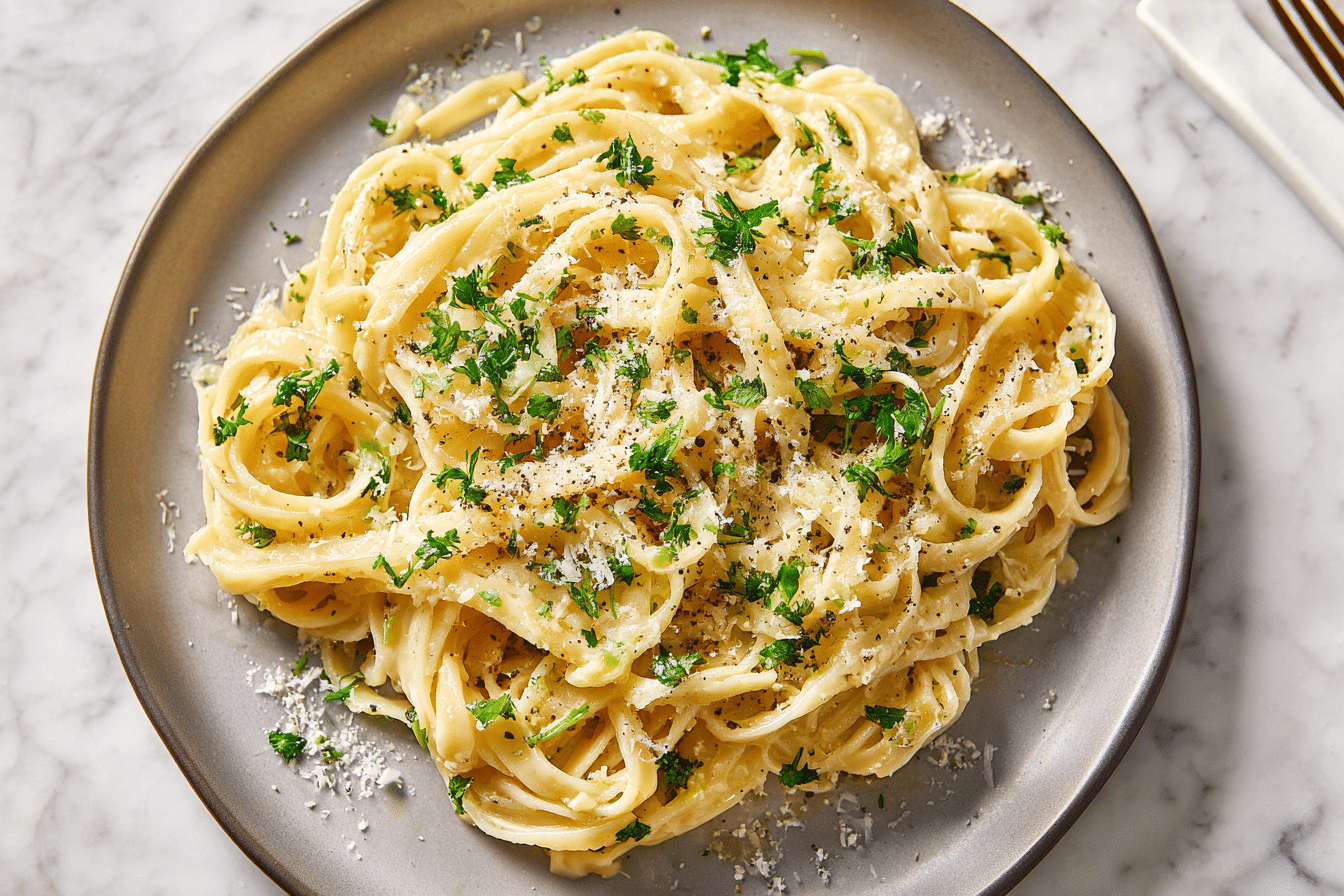
Easy Potato Noodles are a soft, chewy, and comforting homemade noodle dish made primarily from potatoes and a few simple pantry ingredients. The result is tender noodles with a satisfying bite, lightly seasoned and perfect for soaking up sauces or stir-fry flavors.
These noodles are naturally smooth and stretchy when prepared correctly, giving them a unique texture that feels both hearty and delicate. They are often pan-fried or briefly boiled, then tossed with savory seasonings, vegetables, or simple sauces.
This recipe is ideal for quick meals, budget-friendly cooking, or when you want something homemade and satisfying without complicated ingredients.
Ingredients Overview
Potatoes are the foundation of this recipe and determine the texture of the noodles. Starchy potatoes, such as Russet potatoes, work best because they become soft and fluffy when cooked, allowing them to be easily mashed and shaped into dough. The natural starch helps bind the mixture without needing too much flour.
All-purpose flour is used to help form the dough structure. It gives the noodles elasticity and allows them to hold their shape during boiling or pan-frying. The amount of flour can be adjusted depending on the moisture content of the potatoes.
Cornstarch or potato starch is sometimes added to improve the chewiness and smooth texture of the noodles. It helps create a softer bite and prevents the noodles from becoming too dense.
Salt enhances the flavor of the dough and balances the natural earthiness of the potatoes. It is essential for seasoning from within rather than relying only on sauces.
Water is used in small amounts if needed to bring the dough together. However, the goal is to keep the mixture as dry as possible to avoid sticky or gummy noodles.
Oil is used for pan-frying or tossing the noodles after boiling. It helps prevent sticking and adds a light richness to the final dish.
Optional ingredients like garlic, soy sauce, chili flakes, green onions, or sesame oil can be used for seasoning after the noodles are cooked, depending on the desired flavor profile.
Ingredients
2 large Russet potatoes
1 to 1 ½ cups all-purpose flour (adjust as needed)
2 tablespoons cornstarch or potato starch
1 teaspoon salt
1–2 tablespoons water (if needed)
1 tablespoon oil (for cooking or tossing)
Optional for serving:
Soy sauce
Garlic, minced
Green onions, chopped
Sesame oil
Chili flakes
Step-by-Step Instructions
Start by peeling the potatoes and cutting them into even chunks. Place them in a pot of salted water and boil until they are completely soft and tender.
Drain the potatoes well and allow them to cool slightly so excess moisture evaporates. This step is important to prevent sticky dough.
Mash the potatoes thoroughly until smooth and free of lumps. A smooth texture helps create even noodles.
Add salt, cornstarch, and gradually mix in the flour. Stir until a soft dough begins to form. If the mixture feels too dry, add a small amount of water. If it feels too sticky, add a little more flour.
Knead the dough gently until it becomes smooth and pliable. Avoid over-kneading, as this can make the noodles dense.
Divide the dough into smaller portions for easier handling. Roll each portion into long ropes on a lightly floured surface.
Cut the ropes into small noodle-sized pieces or strips, depending on your preferred shape.
To cook, bring a pot of water to a gentle boil. Add the noodles and cook until they float to the surface, which indicates they are done. This usually takes just a few minutes.
Remove the noodles and drain them well. They should feel soft, slightly chewy, and elastic.
At this stage, you can either toss them in oil to prevent sticking or pan-fry them for added texture.
For pan-frying, heat a small amount of oil in a skillet over medium heat. Add the noodles and cook for a few minutes until lightly golden on the edges.
Season with soy sauce, garlic, sesame oil, or chili flakes according to taste. Toss well to coat evenly.
Serve hot as a simple dish or as a base for vegetables, meat, or stir-fry sauces.
A key step is removing as much moisture as possible from the potatoes before mixing the dough, which ensures the noodles hold their shape.
Tips, Variations & Substitutions
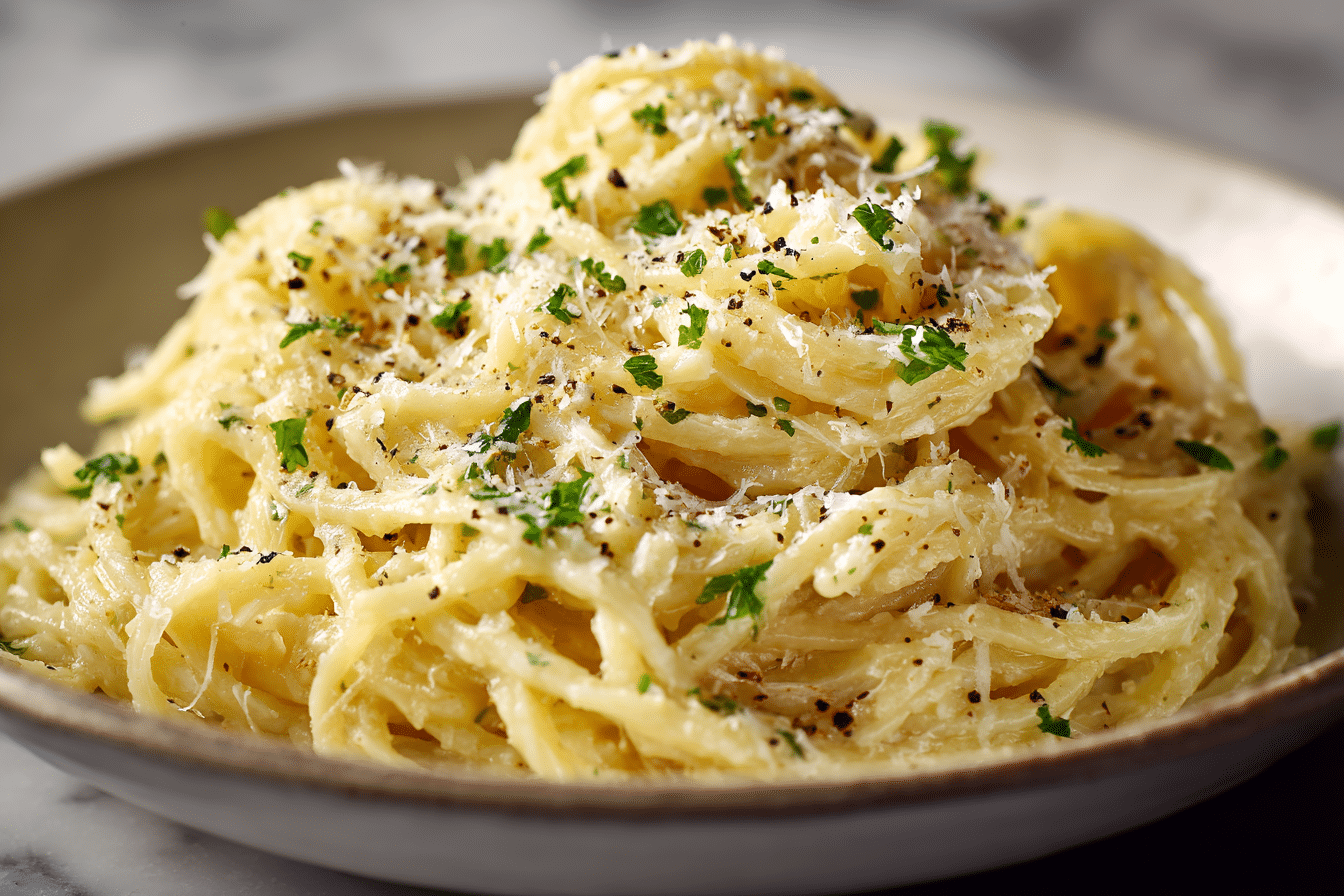
Starchy potatoes like Russet are best for achieving soft, chewy noodles. Waxy potatoes may create a denser texture and require more flour.
The dough should be soft but not sticky. Adding flour gradually helps control the texture and prevents overly heavy noodles.
For extra flavor, herbs or spices can be added directly into the dough, such as garlic powder, black pepper, or chopped chives.
These noodles can be pan-fried for a crispier texture or boiled for a softer, more traditional result.
They pair well with soy-based sauces, creamy sauces, or spicy chili oil depending on preference.
If gluten-free noodles are desired, gluten-free flour blends can be used, though texture may vary slightly.
Serving Ideas & Occasions
Easy Potato Noodles can be served as a main dish or side dish depending on how they are prepared. They work well with stir-fried vegetables, grilled meats, or simple garlic soy sauces.
They are especially comforting as a quick weeknight meal or when you want a homemade alternative to store-bought noodles.
These noodles also pair well with broths or light soups, absorbing flavor while maintaining their chewy texture.
They can be customized easily, making them suitable for both simple meals and more elaborate dishes.
Nutritional & Health Notes
Potatoes provide carbohydrates and natural fiber, making this dish filling and energy-rich. The use of minimal oil keeps the recipe relatively light.
Flour adds structure and energy content, while portion size can be adjusted depending on dietary needs.
Adding vegetables or lean proteins to the noodles can improve nutritional balance and create a more complete meal.
Reducing oil and sodium-based sauces helps create a lighter version of the dish.
FAQs
What type of potatoes work best for potato noodles?
Starchy potatoes like Russet potatoes work best because they mash smoothly and create a soft, pliable dough. Waxy potatoes may result in a denser texture and require more flour.
Why are my potato noodles too sticky?
Sticky dough usually means there is too much moisture in the potatoes or not enough flour. Make sure to drain potatoes well and allow steam to escape before mixing.
Can I make the dough ahead of time?
Yes, the dough can be made ahead and stored in the refrigerator for a few hours. However, it is best used fresh for optimal texture.
Can I bake or fry these noodles?
Yes, they can be pan-fried for a crispy texture or lightly baked, though boiling is the most traditional cooking method.
How do I keep potato noodles from breaking?
Ensure the dough is smooth and well-mixed, and avoid overcooking during boiling. Removing excess moisture from potatoes also helps maintain structure.
Can I make these gluten-free?
Yes, gluten-free flour blends or potato starch can be used, but the texture may be slightly softer and more delicate.
What sauces go best with potato noodles?
Soy sauce-based sauces, garlic butter, chili oil, or creamy sauces all pair well with potato noodles due to their mild flavor and chewy texture.
PrintEasy Potato Noodles are soft, chewy homemade noodles made from potatoes and starch, perfect for stir-fries, soups, and flavorful sauces.
Ingredients
Potatoes
Potato starch
Salt
Hot water
Oil
Instructions
- Boil and mash potatoes until smooth.
- Mix with salt and potato starch.
- Add water if needed to form dough.
- Knead until smooth and elastic.
- Shape into noodle strands.
- Boil until tender and chewy.
- Drain and rinse lightly.
- Toss with oil or sauce and serve.
Notes
Adjust starch and water carefully to achieve a smooth, non-sticky dough with the right chew.
Prep Time: 20 minutes
Cook Time: 10 minutes
Total Time: 30 minutes
Yield: 4 servings
Calories: 210 per serving
Course: Main / Side Dish
Cuisine: Asian-inspired