
Introduction (150–200 words)
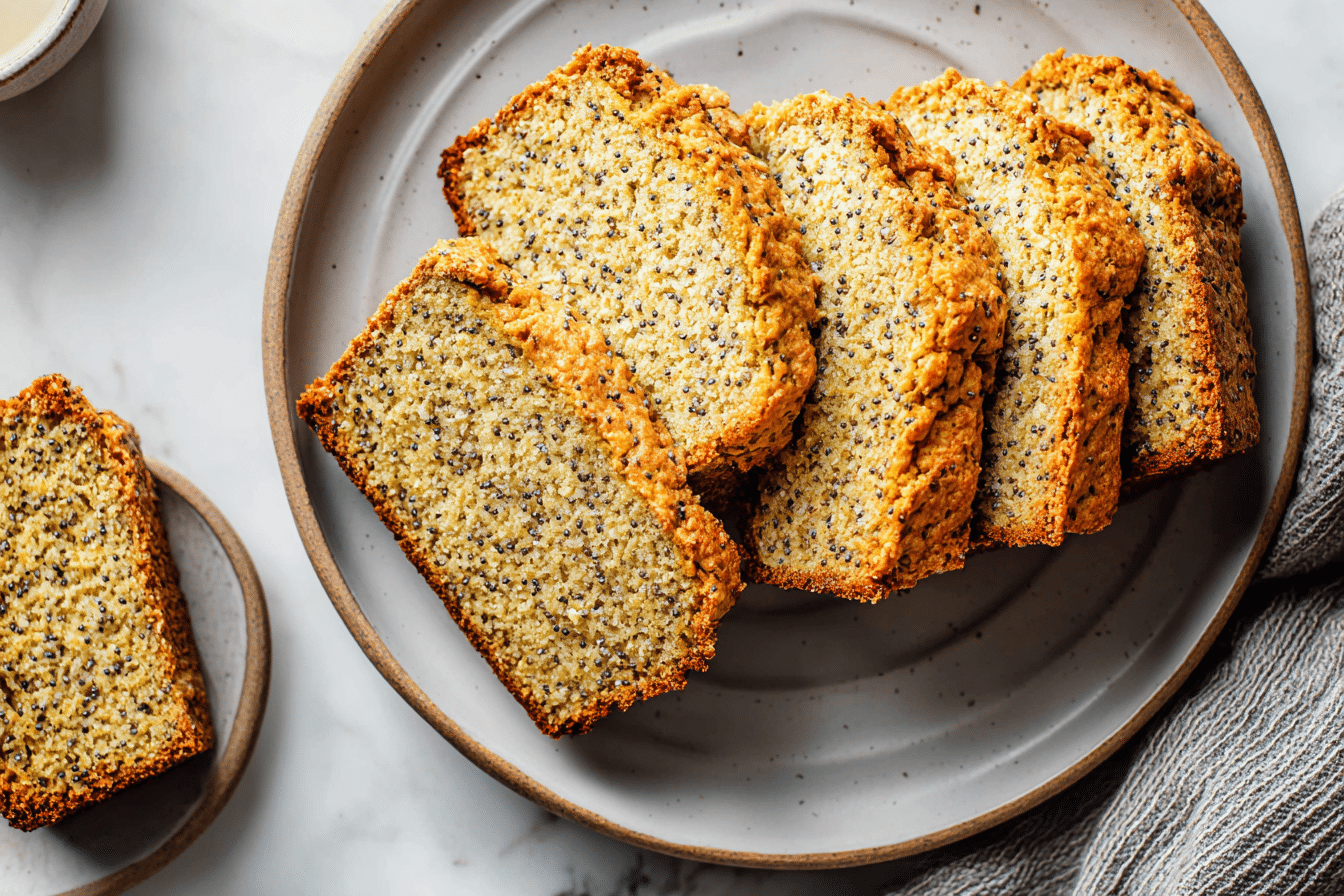
Flourless Oat and Chia Bread Healthy Homemade & Gluten-Free is a nourishing alternative to traditional bread, offering a hearty texture and simple ingredient list that fits seamlessly into everyday routines. This bread skips refined flour entirely, relying on wholesome oats and nutrient-rich chia seeds to create a loaf that feels both satisfying and balanced.
The texture is slightly dense yet soft, with a subtle chew that makes each slice enjoyable. Chia seeds play an important role, helping bind the ingredients while adding a gentle crunch. Oats bring a mild, comforting flavor that pairs well with both sweet and savory toppings.
What makes this bread especially appealing is its versatility. It can be prepared ahead of time, sliced, and used throughout the week for breakfast, snacks, or light meals. Whether topped with avocado, nut butter, or fresh fruit, it adapts easily without losing its simple charm.
With minimal preparation and pantry-friendly ingredients, this recipe offers a practical way to enjoy homemade bread without complicated steps.
Ingredients Overview (250–300 words)
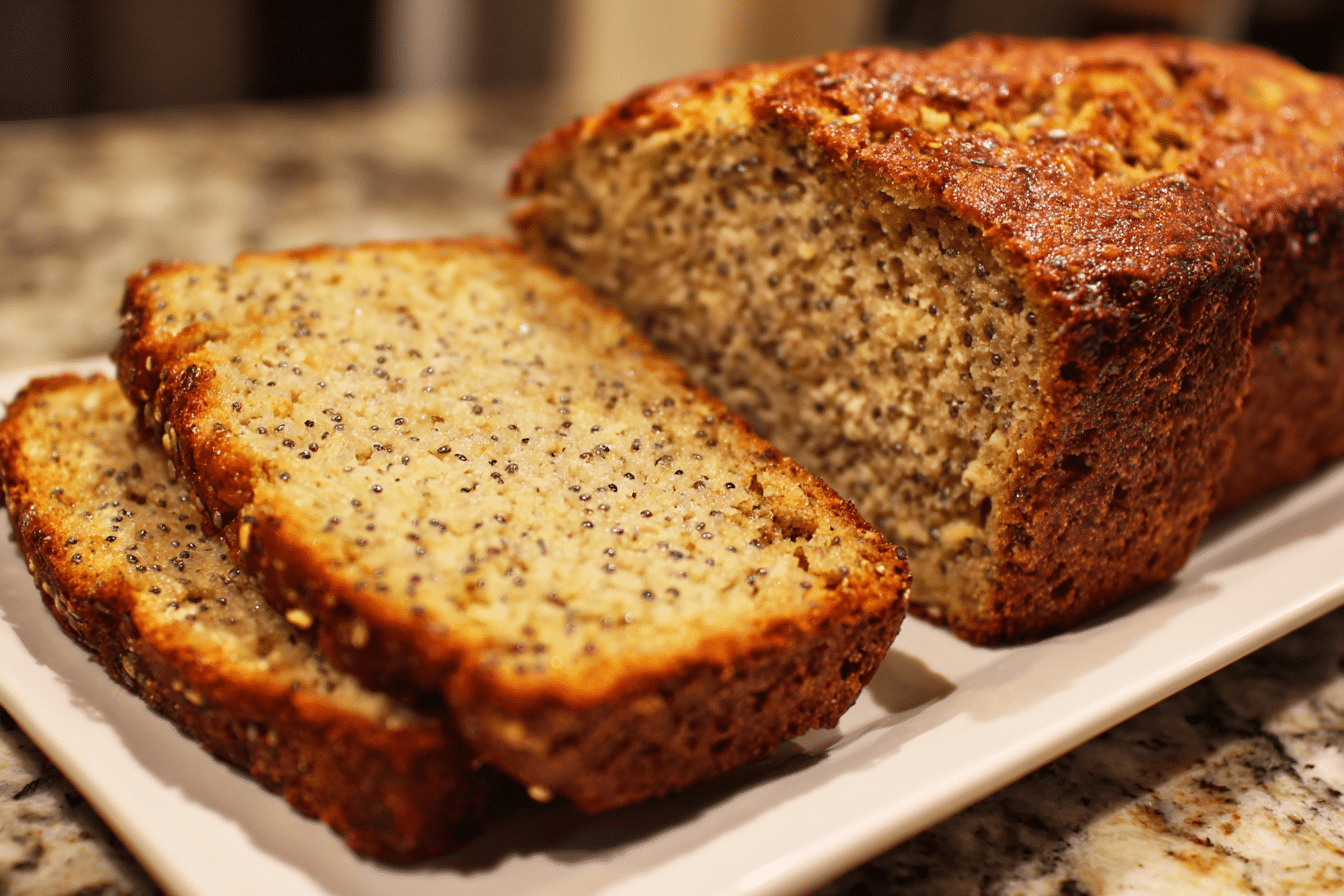
PrintFlourless Oat and Chia Bread Healthy Homemade & Gluten-Free
A simple flourless oat and chia bread made with wholesome ingredients, perfect for a gluten-free and healthy homemade option.
Ingredients
2 cups rolled oats (blended into flour)
2 tbsp chia seeds
1 cup water or plant-based milk
2 eggs
2 tbsp olive oil
1 tsp baking powder
1/2 tsp salt
Optional seeds or herbs
Instructions
- Preheat oven to 350°F (175°C).
- Blend oats into a fine flour.
- Mix oat flour, chia seeds, baking powder, and salt.
- Whisk eggs, liquid, and olive oil separately.
- Combine wet and dry ingredients.
- Let batter rest for 10 minutes.
- Pour into lined loaf pan.
- Bake for 35–40 minutes.
- Cool completely before slicing.
Notes
Rolled Oats:
The base of the bread. When blended, oats create a flour-like consistency that forms the structure of the loaf. Use certified gluten-free oats if needed.
Chia Seeds:
These act as a natural binder when mixed with liquid, forming a gel-like texture. They also add a slight crunch and nutritional value.
Water or Plant-Based Milk:
Hydrates the oats and activates the chia seeds. Plant-based milk can add a subtle flavor, while water keeps it neutral.
Eggs:
Provide structure and help the bread hold together. They also contribute to a softer texture.
Olive Oil:
Adds moisture and prevents the bread from becoming too dry. It also gives a light richness.
Baking Powder:
Helps the bread rise slightly, preventing it from becoming overly dense.
Salt:
Balances flavors and enhances the natural taste of the oats.
Optional Add-Ins:
Seeds like sunflower or pumpkin seeds can be mixed in for extra texture. Herbs such as rosemary or thyme can add a savory note.
Optional Sweet Variation:
A touch of honey or maple syrup can be added for a slightly sweeter loaf if desired.
This ingredient combination keeps the bread simple while allowing flexibility for different flavor preferences.
Step-by-Step Instructions (400–500 words)
Begin by preparing the oats. Add rolled oats to a blender or food processor and blend until they reach a fine, flour-like consistency. This step is essential for achieving a cohesive dough without traditional flour.
In a large mixing bowl, combine the ground oats with chia seeds, baking powder, and salt. Stir well to distribute the dry ingredients evenly.
In a separate bowl, whisk together the eggs, water or plant-based milk, and olive oil. Once combined, pour the wet mixture into the bowl with the dry ingredients.
Mix everything thoroughly until a thick batter forms. The chia seeds will begin to absorb liquid, so allow the mixture to sit for about 10 minutes. This resting time helps the batter thicken and improves the final texture of the bread.
While the mixture rests, preheat your oven to 350°F (175°C). Line a small loaf pan with parchment paper or lightly grease it to prevent sticking.
After the resting period, give the batter one final stir. If you’re adding optional ingredients like seeds or herbs, fold them in at this stage.
Transfer the batter into the prepared loaf pan. Use a spatula to smooth the top, pressing gently to remove air pockets and create an even surface.
Place the pan in the oven and bake for 35 to 40 minutes. The bread is ready when the top is firm and a toothpick inserted into the center comes out clean.
Remove the bread from the oven and let it cool completely in the pan. This step is important, as the bread continues to set while cooling. Once cooled, lift it out using the parchment paper and slice with a sharp knife.
Common Mistakes to Avoid:
Skipping the resting time can result in a crumbly texture. Not blending oats finely enough may lead to uneven consistency. Cutting the bread while warm can cause it to fall apart.
Tips, Variations & Substitutions (200–300 words)
For a softer texture, use a mix of water and plant-based milk. This adds a subtle richness without making the bread heavy.
If you prefer a seed-packed loaf, add sunflower seeds, flaxseeds, or pumpkin seeds into the batter. This increases crunch and nutritional value.
To make the bread completely plant-based, replace the eggs with flax eggs. Combine ground flaxseed with water and let it thicken before adding to the mixture.
For a savory version, mix in dried herbs, garlic powder, or even a pinch of black pepper. This works well if you plan to use the bread for sandwiches or toast with savory toppings.
If you enjoy a slightly sweeter bread, add a tablespoon of maple syrup or honey and a pinch of cinnamon. This variation pairs well with fruit or nut butter.
Store the bread in an airtight container in the refrigerator for up to five days. It can also be sliced and frozen for longer storage. Toasting slices brings back a fresh texture.
Serving Ideas & Occasions (150–200 words)
Flourless Oat and Chia Bread Healthy Homemade & Gluten-Free fits into many occasions. It works well as a breakfast base, topped with avocado, eggs, or nut butter. For a lighter meal, serve it alongside soups or salads.
It’s also ideal for meal prep. Slice the loaf in advance and use it throughout the week for quick toast or sandwiches. Because of its sturdy texture, it holds up well to spreads and toppings.
For brunch, serve slices with a variety of toppings like fresh fruit, yogurt, or savory spreads. Its neutral flavor makes it easy to pair with different ingredients.
Whether served warm or toasted, this bread remains satisfying and versatile.
Nutritional & Health Notes (150–200 words)
This bread focuses on whole ingredients, making it a nutrient-dense alternative to traditional loaves. Oats provide fiber, which supports digestion and helps maintain steady energy levels.
Chia seeds contribute omega-3 fatty acids, fiber, and plant-based nutrients. They also play a functional role in binding the bread naturally.
Eggs add protein, which helps balance the carbohydrates from oats and keeps the bread more filling. Olive oil contributes healthy fats that support overall nutrition.
Because the recipe avoids refined flour, it can be suitable for those looking for simpler ingredient options. Adjusting ingredients allows for flexibility based on dietary needs, including gluten-free and dairy-free approaches.
FAQs
1. Can I use oat flour instead of blending oats?
Yes, oat flour works well and saves time. Use the same amount as the blended oats for consistent results.
2. Why is my bread too crumbly?
This often happens if the batter didn’t rest long enough or if there wasn’t enough moisture. Letting the chia seeds absorb liquid is essential.
3. Can I make this bread without eggs?
Yes, flax eggs can replace regular eggs. They help bind the ingredients while keeping the bread plant-based.
4. How should I store the bread?
Store it in an airtight container in the refrigerator for up to five days. For longer storage, freeze individual slices.
5. Can I toast this bread?
Yes, it toasts well and develops a slightly crisp exterior while staying soft inside.
6. Is this bread suitable for sandwiches?
Yes, its firm texture makes it a good option for sandwiches, especially when sliced evenly.
7. Can I add flavors to the dough?
Yes, herbs, spices, or seeds can be added to customize the flavor depending on whether you prefer a sweet or savory loaf.