
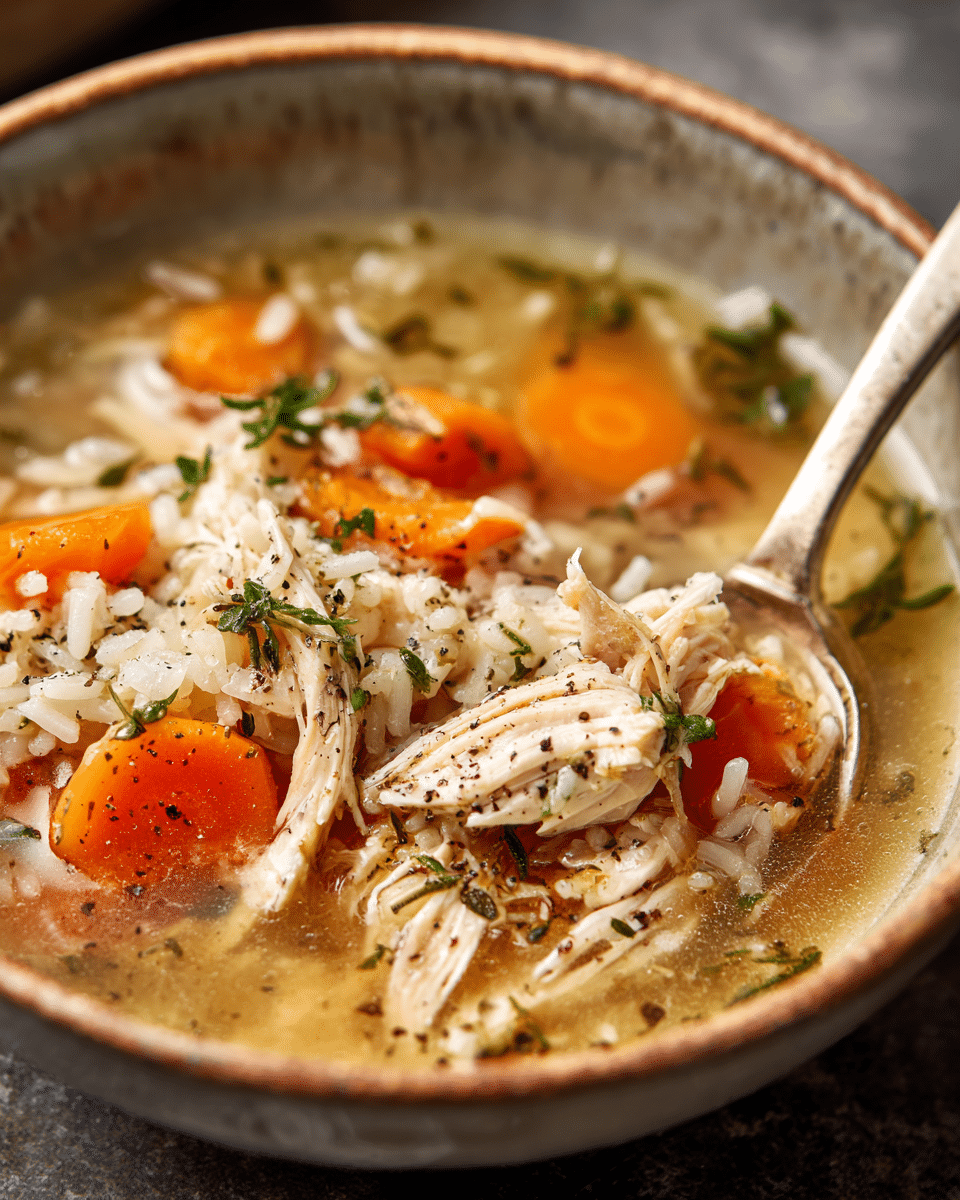
Few dishes comfort the body and soul like a steaming bowl of homemade chicken soup. Known throughout cultures as a natural remedy for colds, fatigue, and emotional weariness, this easy healing chicken soup brings together the best of simplicity and nourishment. Whether you’re looking to soothe a winter sniffle or prepare a heartwarming dinner, this classic recipe offers a perfect blend of flavor, nutrition, and tradition.
The Story Behind Healing Chicken Soup
Chicken soup has been treasured for centuries across nearly every cuisine. From Jewish matzo ball soup to Chinese ginger chicken broth and Latin American caldo de pollo, this dish has long been viewed as “liquid medicine.” The combination of gentle protein, warm broth, and aromatic vegetables helps calm inflammation and supports hydration — a comforting ritual as much as a meal.
Grandmothers around the world have passed down their own versions, each claiming theirs is the “true” healing soup. This particular recipe blends the simplicity of old-fashioned home cooking with modern nutrition wisdom, ensuring that every spoonful feels wholesome and restorative. It’s light yet satisfying, aromatic yet gentle enough for anyone recovering from illness or exhaustion.
Ingredient Overview: What Makes It Healing
Each ingredient in this soup has a purpose — both for flavor and wellness.
Chicken
The foundation of the soup, chicken provides lean protein that’s easy to digest. Using bone-in chicken thighs or a whole chicken infuses the broth with collagen, minerals, and rich flavor. Collagen supports joint and skin health, while amino acids like cysteine may help reduce mucus buildup.
Vegetables
Classic aromatics — onion, garlic, celery, and carrot — lend depth and essential nutrients.
-
Onion and garlic: Natural anti-inflammatories that may boost immune function.
-
Carrot: Adds gentle sweetness and a boost of vitamin A for eye and skin health.
-
Celery: Provides mineral salts that help maintain hydration balance.
Herbs and Spices
-
Fresh parsley: Rich in vitamin C and adds brightness.
-
Thyme: Offers an earthy flavor and antimicrobial benefits.
-
Bay leaf: Adds subtle fragrance that rounds out the broth’s complexity.
-
Turmeric (optional): Known for its anti-inflammatory properties and golden hue.
Broth Base
Homemade or low-sodium chicken broth keeps the flavor balanced and comforting. When simmered with bones, the broth develops natural gelatin that gives it a silky texture and gut-friendly benefits.
Healing Add-Ins
-
Ginger: A warming spice that eases digestion and helps fight colds.
-
Lemon juice: Brightens the flavor and adds a dose of vitamin C.
-
Spinach or kale (optional): Provides extra antioxidants and fiber.
Step-by-Step Instructions: From Simmer to Soulful Comfort
Step 1: Prepare the Chicken
Rinse 2 pounds of bone-in chicken thighs (or half a small whole chicken). Pat dry and season lightly with salt and pepper. Browning the chicken briefly in olive oil before adding water deepens the flavor of the broth, though this step can be skipped for a lighter soup.
Step 2: Build the Flavor Base
In a large soup pot, heat 2 tablespoons of olive oil over medium heat. Add one chopped onion, two diced carrots, and two celery stalks. Sauté for about 5 minutes until fragrant and the vegetables begin to soften. Add two minced garlic cloves and cook for another 30 seconds.
Step 3: Simmer the Broth
Add the chicken, 8 cups of chicken broth (or water), 1 bay leaf, a few thyme sprigs, and a 1-inch piece of sliced ginger. Bring to a gentle boil, then reduce to low heat. Skim off any foam that rises to the surface to keep the broth clear. Let it simmer for 45–60 minutes, uncovered, until the chicken is tender and the broth tastes rich.
Step 4: Shred the Chicken
Remove the chicken pieces and place them on a cutting board. Let them cool slightly before removing the bones and skin. Shred the meat into bite-sized pieces and return it to the pot.
Step 5: Add Fresh Flavor
Stir in 1 tablespoon of fresh lemon juice and a handful of chopped parsley. If you’d like, add a cup of baby spinach or cooked noodles for extra heartiness. Taste and adjust seasoning with salt and pepper.
Step 6: Serve Warm
Ladle the soup into deep bowls. Garnish with more parsley or a squeeze of lemon for brightness. The aroma alone is enough to lift the spirit.

Tips, Variations, and Substitutions
-
Make it vegetarian: Substitute chickpeas or lentils for the chicken and use vegetable broth.
-
Add grains: Cooked rice, quinoa, or small pasta shapes turn it into a more filling meal.
-
Boost the broth: Simmer the bones longer (up to 3 hours) for a more collagen-rich base.
-
Use rotisserie chicken: For a quicker option, shred cooked chicken and simmer for 20 minutes.
-
Flavor variations: Add turmeric for color, or a splash of soy sauce for umami depth.
-
For congestion relief: Add more ginger and a pinch of cayenne pepper.
Chef’s tip: The secret to an extraordinary chicken soup is patience. Letting the broth simmer gently — never boil too hard — coaxes out a silky texture and balanced flavor.
Serving Ideas & Occasions
This easy healing chicken soup suits nearly every season and mood:
-
Cold or flu days: Serve plain with lemon to soothe the throat.
-
Family dinners: Pair with crusty bread or a green salad.
-
Meal prep: Keeps well in the fridge for up to 5 days or freezes beautifully for future busy nights.
-
Holiday recovery: After festive indulgence, it resets digestion and feels cleansing.
-
Comfort food moments: Serve in a mug on cold evenings or during self-care Sundays.
Nutritional & Health Notes
A serving of healing chicken soup is both light and nourishing. One bowl (about 1½ cups) provides roughly:
-
Calories: 200
-
Protein: 20g
-
Fat: 7g
-
Carbohydrates: 10g
-
Fiber: 2g
Beyond the numbers, this soup offers hydration, electrolytes, and restorative warmth. The chicken’s amino acids support muscle repair, while garlic and ginger contribute anti-inflammatory properties. The broth replenishes fluids lost during illness, and the vegetables deliver natural antioxidants that help your immune system function smoothly.
FAQs About Healing Chicken Soup
1. Can I make this chicken soup in a slow cooker?
Yes! Add all ingredients (except parsley and lemon) to a slow cooker and cook on low for 6–7 hours or high for 3–4. Remove the chicken, shred it, and return it with the parsley and lemon before serving.
2. What type of chicken makes the best broth?
Bone-in, skin-on chicken thighs or a small whole chicken produce a richer, more flavorful broth. Boneless breasts can be used, but the soup will be lighter and less gelatinous.
3. How long can I store homemade chicken soup?
Store it in an airtight container in the refrigerator for up to 5 days, or freeze for up to 3 months. Reheat gently on the stove to preserve texture and taste.
4. Can I make it gluten-free?
Absolutely. Simply omit noodles or use gluten-free alternatives such as rice noodles or quinoa. The soup itself is naturally gluten-free without thickeners.
5. What vegetables can I add for extra nutrition?
Zucchini, leeks, spinach, or kale blend beautifully without overpowering the classic flavor. Root vegetables like parsnips or turnips add a deeper sweetness.
6. Why is chicken soup considered “healing”?
Scientific studies suggest that warm chicken soup helps reduce upper respiratory symptoms, keeps the nasal passages moist, and provides hydration and essential nutrients when you’re sick.
7. Can I use store-bought broth?
Yes, but choose low-sodium, high-quality broth for the best flavor. You can enrich it by simmering with extra herbs, garlic, and a few chicken bones if available.